


Shop By Category
Filter By
Military Gear
Authorized Dealer 100+ Brands




Top Military Gear Categories
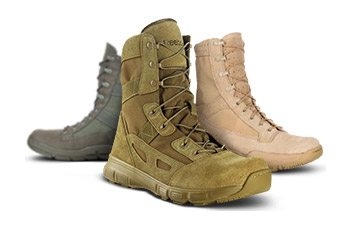 Military Boots
 Military Clothing
 Military Equipment
Popular Military Gear
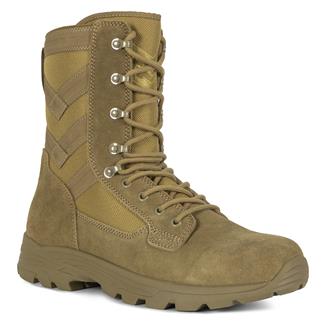
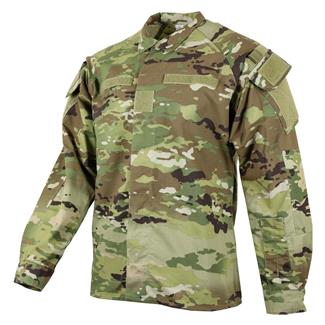

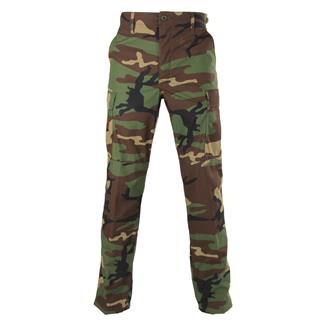
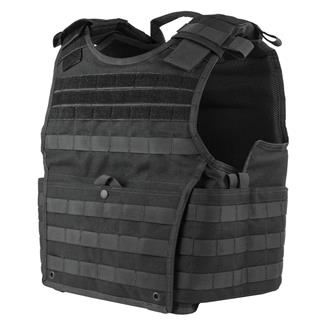
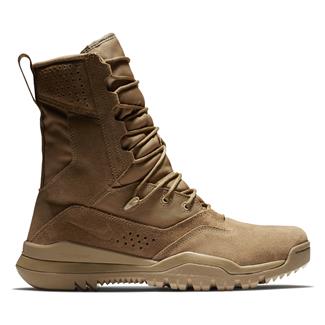
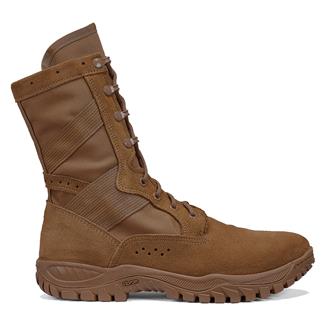
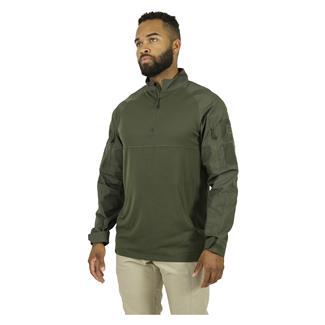
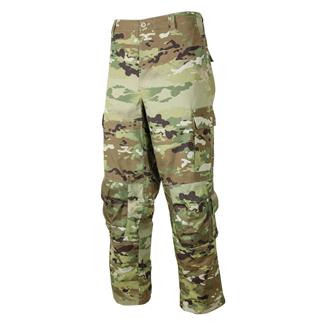
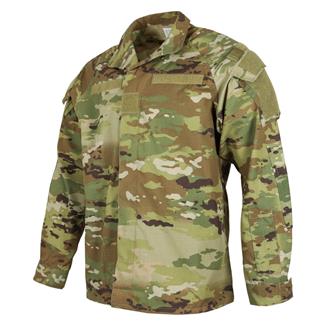
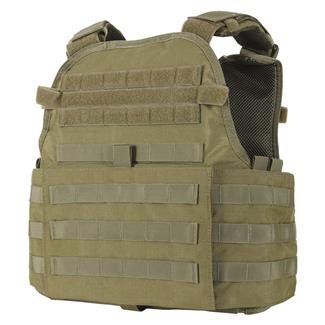
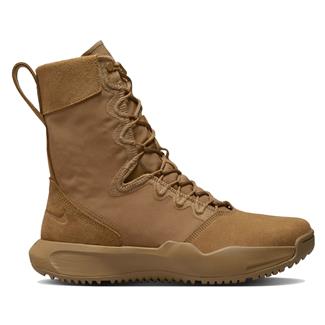
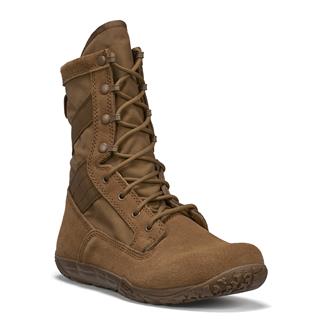
Shop by Service
 Army Gear
 Marine Corps Gear
 Navy Gear
 Coast Guard Gear
 Air Force Gear
Military Gear Resources
Duty and Tactical Holsters
Looking for a duty holster? Check out our guide to make sure you find the perfect one for your weapon.Military Uniforms
From OCPs and NWUs to classic battlefield apparel, learn everything you need to know about old and new United States Military uniforms.APEL Eyewear
Soldiers can't wear just any sunglasses — their eyewear is strictly regulated. Make sure your shades are on the Authorized Protective Eyewear List.AK-47 vs. AR-15
How do an AK-47 and an AR-15 stack up head-to-head? Learn everything there is to know about these two classic firearms.Sig Sauer P320 vs. Beretta M9
The Sig Sauer P320 has replaced the Beretta M9 as the Army’s standard-issue pistol. Take a look at the similarities (and differences) between these two handguns.How to Choose Military Boots
With so many options to choose from, finding the right pair of military boots can be tough. Luckily for you, we’re here to help.
Recent Military Gear Reviews
 Verified Buyer
by Wikked DB
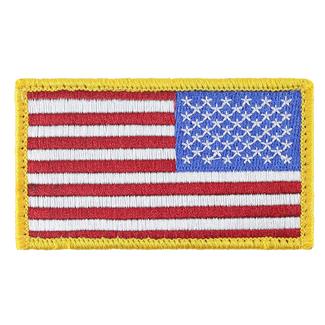
 Brilliant color. Gold border is spectacular.
Verified Buyer
by Michelle M
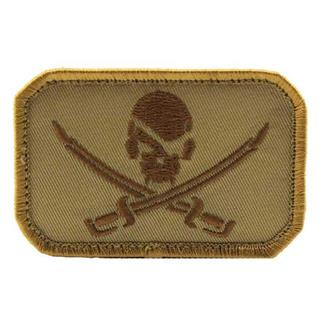
Mil-Spec Monkey PirateSkull Flag Patch
 Great morale patch!
Great quality and a great price. These guys are locked on!
Verified Buyer
by Stephen M
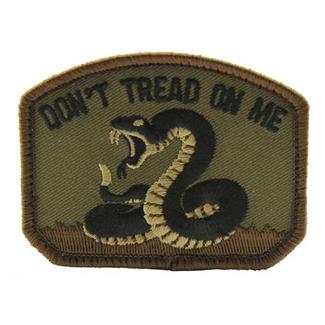
Mil-Spec Monkey Don't Tread Patch
Fantastic!
Top shelf quality morale patch! A saying that still holds true today. I highly recommend you get yourself one.
Verified Buyer
by Stephen M

Verified Buyer
by Joel G
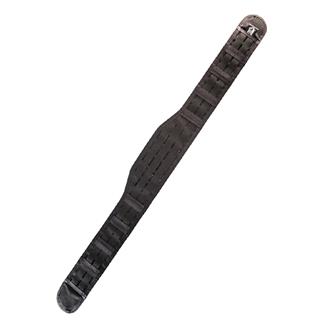
High Speed Gear Laser Slim-Grip Padded Belt - Slotted
Great customer service
I accidentally ordered the wrong size and the return process was a breeze. Thanks!
Verified Buyer
by Joel G
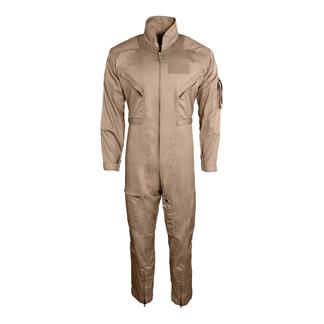
Propper Poly Cotton Twill 27/P Flyers Coveralls
 Returned today
I loved the color and quality of the suit. But it was to big on me. So I'm returning it and getting a smaller size to fit me.
Verified Buyer
by Sean O
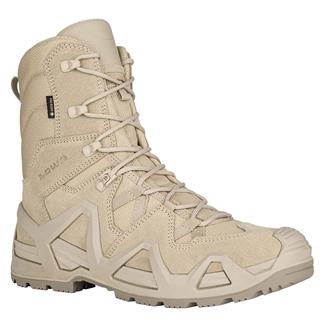
Lowa Zephyr MK2 GTX Hi Boots
 Stiff as wearing bricks
I sent these boots back yesterday. I bought these boots 1/2 size larger and they still didn’t fit. But while I had them on I could tell they were not going to be comfortable. The sole was not forgiving at all.
Verified Buyer
by William C
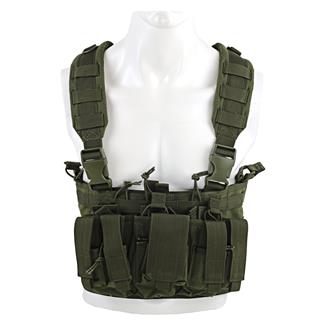
Condor MCR5 Recon Chest Rig
Great product
It's a little tight getting my head and shoulders in it, but I'm a bigger guy, once it's past my shoulders it fit Great.
Verified Buyer
by JC
Verified Buyer
by JC
The Military Gear Destination
We provide the most complete selection of military gear from uniforms to boots to equipment. We are honored to have the opportunity to support the elite men and women who protect and serve our country. From a soldier's perspective, great gear can make all the difference. Service members, public safety professionals and civilians alike can find the Mil-Spec gear they need from the leading brands in the industry. We’ve simplified your shopping experience with intuitive site filters that let you search for top-selling items, brands or categories such as clothing, footwear and equipment. You also can check out our resources section to learn more about military uniforms, compare military boot brands and use the size guide to insure you get the best fit. From BDU pants to tactical pants, we've got you covered.

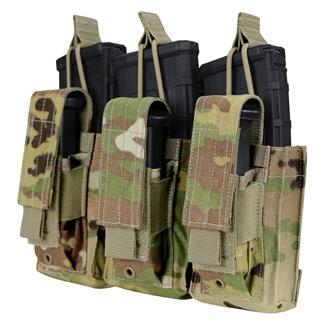
Bought this plate carrier to be included in my kit. Plenty of adjustment available in every facet of the fit to make it comfortable, like a hug from Hercules himself!